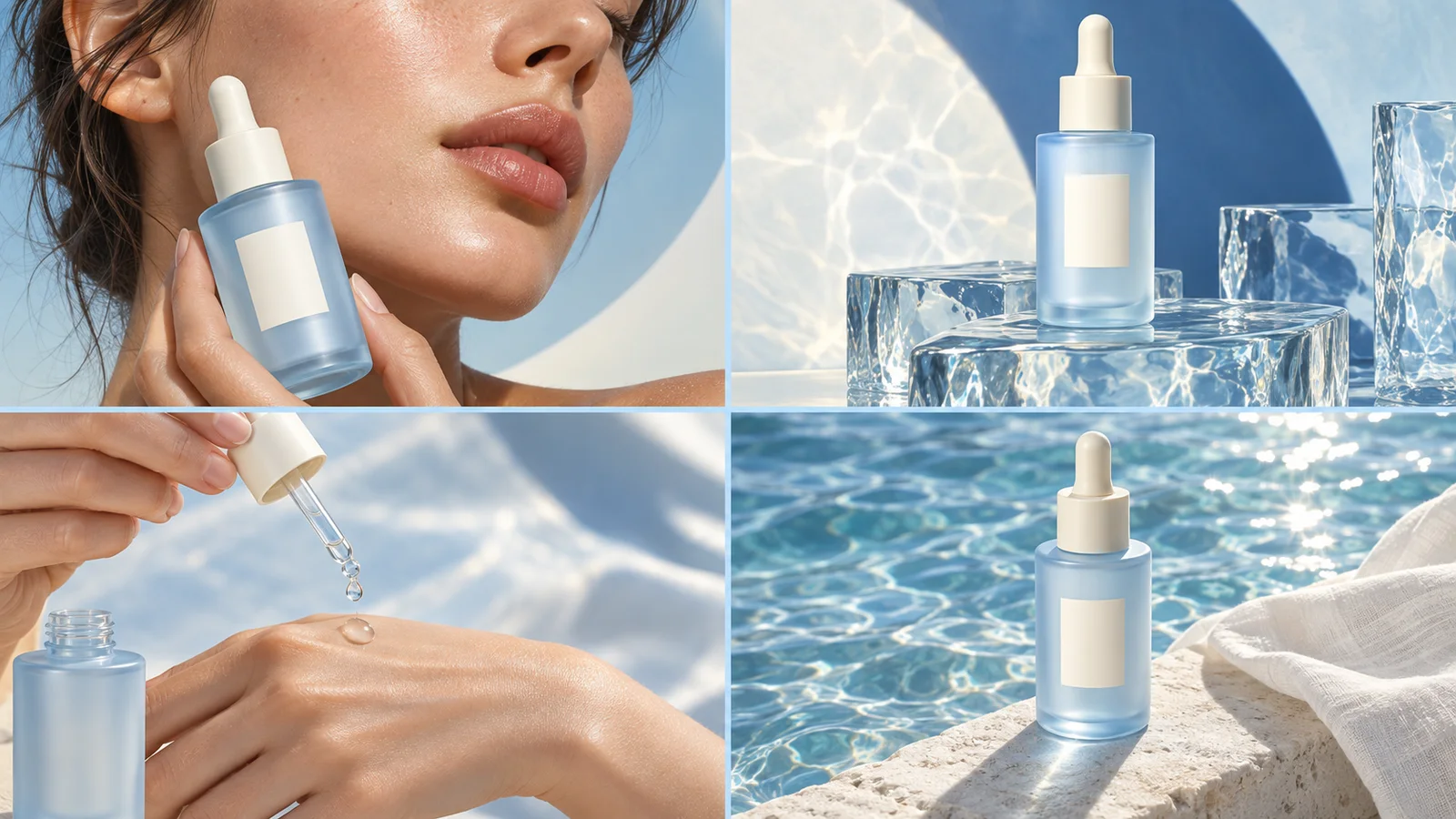
FOUR-PANEL AD BRIEF

How to write a four-panel product ad brief

An actionable Panelly brief defines the product name, one approved selling point, and audience context. Appearance description or a reference image, brand, and action copy are optional. The quick flow uses the Advertising comic form to create one complete flat illustrated image with drawn linework and flat-color/halftone styling; other content forms are not labeled comics. Its four beats are positions inside the image, not separate assets or interactive regions. Review may check those positions, but approval always targets the whole image.

FIT

When this fits

  • The team has product assets it may use and can confirm packaging, color, and important visual details.
  • The brand has approved one supported claim and needs to organize it as a four-beat ad story.
  • The team will bound inputs before generation and complete human review and explicit approval before publication.

NON-FIT

When this does not fit

  • The creation flow is expected to invent efficacy, customer feedback, evidence, or absolute product claims.
  • The job requires legal advice, platform pre-clearance, ad-account publication, or a performance guarantee.
  • One static composite is being treated as finished video, four separate final assets, or an ad that needs no review.

THREE ESSENTIAL FIELDS

Copyable three-field brief template

Copy the plain text below and add confirmed information after each colon. Mark unknowns for review. Add an appearance description or reference image, brand, or action copy later only when you need those optional settings.
01

Product name

Use the product's formal name. Brand name is an optional setting and can be derived from the product name.

02

Approved selling point

Use one selling point approved for advertising, with support, qualifiers, and prohibited wording kept in the team's source material.

03

Audience and usage context

Define who needs it in which real situation, plus audiences, uses, and outcomes the story must not imply.

COPYABLE TEMPLATE

Copyable three-field brief template

Copy the plain text below and add confirmed information after each colon. Mark unknowns for review. Add an appearance description or reference image, brand, or action copy later only when you need those optional settings.
Product name:
Approved selling point:
Audience and usage context:

FICTIONAL EXAMPLE

Fictional structure example: North Window Lamp

This is a wholly fictional structure example for showing how to write the brief. It is not a customer case study, testimonial, real advertisement, real product evidence, or performance result.
Product name
The fictional product North Window Desk Lamp; replace this with the real product name before publication.
Approved selling point
A fictional specification sheet lists three color-temperature modes. Real product material must substantiate this placeholder before publication.
Audience and usage context
Adults reading at night in a small rented space; do not imply treatment of eye conditions, better sleep, or unsupervised use by children.

CHECK TWICE

Pre-generation and human-review checklist

Before generation

  1. Confirm the product name; when using an optional appearance description or reference image, also check packaging, colors, and rights to every reference asset.
  2. Keep one approved claim and record its support, qualifiers, and prohibited wording.
  3. Make the audience context specific and real without implying unapproved audiences, uses, or outcomes.
  4. Use brand and action copy only when needed; otherwise review the derived wording for fit.
  5. Choose the publishing aspect for the complete composite and assign responsibility for channel review.
  6. Remove testimonials, ratings, performance numbers, platform endorsement, and unverifiable absolute wording.

Human review after generation

  1. Check product appearance, packaging, color, brand elements, and character continuity at all four positions in the complete image.
  2. Inspect visible text, spelling, CTA, and four-panel reading order.
  3. Treat visual implications as claims and compare them with the approved claim and support.
  4. Confirm no fictional person is presented as a real customer, reviewer, or endorser.
  5. Review disclosures, rights, and limits against current brand, regional, and channel requirements.
  6. Save the whole-image reviewed version, record issues, and require explicit approval of the complete image from a responsible person before publication.

KNOWN LIMITS

Capability and responsibility limits

The template makes inputs easier to inspect, but it cannot eliminate generation errors or replace judgment by the brand and channel publisher.

SOURCES

First-party policy sources

These pages support general checks for claim substantiation and misleading content. They are not legal advice, platform pre-clearance, or an approval guarantee. Policies can change, so the publisher must review the current source text.Reviewed on:
  1. FTC Advertising Substantiation Policy
  2. Google Ads Misrepresentation
  3. TikTok misleading and false content